Protect Your Skin on Every Drive with Quality Window Tint
The sun does not wait until you step onto the beach to affect your skin. It reaches you during the morning commute, school pickup, lunch runs, road trips, and every errand in between.
Most people think about sunscreen when they plan to spend time outdoors. Fewer think about the sunlight that hits their face, arms, neck, and hands while they sit behind the wheel. That daily exposure can add up, especially on the driver’s side of the body.
Quality window tint adds a practical layer of protection to everyday driving. It helps reduce UV exposure, cuts glare, and keeps the cabin more comfortable. It is not a replacement for sunscreen, protective clothing, or regular skin checks, but it can be a smart part of a broader sun-protection routine.
This article is for general information only and is not medical advice. For concerns about sun damage, skin changes, or skin cancer risk, speak with a qualified health professional.

Sun exposure adds up behind the wheel
Driving can feel like indoor time. You are seated in a closed vehicle, surrounded by glass, with air conditioning running. But sunlight still reaches the skin through windows, especially side windows and sunroofs.
Two types of ultraviolet radiation are most relevant when talking about skin exposure.
UVB rays are strongly linked with sunburn. Standard glass blocks much of UVB, which is why you may not always burn inside a car.
UVA rays penetrate more deeply into the skin and are associated with premature aging and long-term sun damage. UVA can pass through glass more readily than UVB, depending on the type of glass and any added film.
That means a drive can expose skin to UVA even when there is no obvious warmth, redness, or burning. The effect is easy to overlook because it happens in small increments.
Think about the parts of the body often exposed in a vehicle:
The left side of the face and neck
The forearms and hands
The tops of the thighs when wearing shorts
The scalp or forehead near a sunroof
A child’s face or legs near a side window
One short drive is not the issue. The concern is repeated exposure over months and years. Daily habits shape long-term skin health, and driving is one of those habits many people repeat without thinking about sunlight at all.
Why car glass alone may not be enough
Not all vehicle glass offers the same protection.
Windshields are usually made with laminated glass. This construction often includes a plastic layer between glass sheets, which helps with safety and can reduce UV transmission. Side windows and rear windows may use different glass, depending on the vehicle.
That difference matters because drivers and passengers usually receive the most direct sunlight through side windows. If the sun is low in the morning or late afternoon, it can hit the face and arms for long stretches.
Factory privacy glass can make windows look darker, but darkness does not always tell the full story. A window can look shaded and still allow some ultraviolet radiation or heat to pass through. On the other hand, some nearly clear films are designed mainly for UV and heat reduction rather than a dark appearance.
This is where quality film selection makes a real difference. The right product is about more than style. It should address comfort, visibility, legal limits, and UV protection.

Quality window tint works as an extra layer of protection
Window tint helps by adding a thin film to the glass. Depending on the film type, it can reduce ultraviolet exposure, solar heat, and glare.
The key word is quality. A low-grade tint may fade, bubble, peel, distort visibility, or fail to perform as expected. A better film, installed correctly, can give you a cleaner look and more reliable performance over time.
Common tint options include dyed, metalized, carbon, and ceramic films. Each has strengths and tradeoffs.
Dyed film gives basic shade
Dyed film is often chosen for appearance and affordability. It can reduce visible light and improve privacy, but it may not offer the same heat rejection as higher-end options. Lower-quality dyed films can fade faster over time.
Carbon film improves durability and comfort
Carbon film uses carbon particles to help block heat without the shiny look associated with some metalized films. It tends to hold color better than basic dyed tint and can create a clean, modern finish.
Ceramic film focuses on heat and UV performance
Ceramic film is often chosen by drivers who want strong heat rejection without going extremely dark. It can be a smart choice for people who care about comfort, visibility, and year-round sun protection. Many ceramic films are designed to block a very high share of UV rays, though exact performance depends on the product.
Clear or light film can still help
A common misconception is that tint has to be dark to be useful. Some films are nearly clear but still designed to reduce UV rays and heat. This can be useful for windshields, lighter side-window preferences, or drivers who want protection without a dramatic visual change.
When comparing options, ask about:
UV rejection ratings
Heat rejection performance
Visible light transmission
Glare reduction
Warranty coverage
Local tint-law compliance
A professional installer can explain the differences in plain language and help match the film to the way the vehicle is used.
Tint helps comfort as much as skin protection
The skin-protection benefit is important, but it is not the only reason drivers choose tint. Heat and glare are daily comfort issues, especially in sunny regions and during long drives.
A hot cabin can make even a short trip unpleasant. Seats warm up. The steering wheel feels uncomfortable. The air conditioner has to work harder to cool the space. Quality tint helps reduce the solar heat entering through the glass, which can make the interior feel more manageable.
Less glare also matters. Bright sunlight bouncing off pavement, nearby vehicles, or water can cause eye strain. Tint can soften that harsh light and help make the drive feel calmer.
That comfort can support safer driving habits too. When glare is less distracting and the cabin is less hot, it is easier to focus. Window tint will not replace good driving decisions, sunglasses, or a clean windshield, but it can improve the overall driving environment.

Window tint is not a sunscreen replacement
Window tint can reduce exposure, but it should not be treated as the only form of sun protection.
Sunscreen still matters, especially for skin that receives direct sunlight before, during, or after a drive. That includes walking through a parking lot, pumping gas, loading groceries, attending outdoor events, or sitting near an open window.
For better everyday protection, combine smart habits:
Apply broad-spectrum sunscreen to exposed skin
Reapply sunscreen when spending extended time outside
Wear sunglasses that offer UV protection
Use hats or protective clothing during outdoor activities
Keep children shaded when possible
Schedule regular skin checks if recommended by a clinician
Window tint supports those habits by reducing some exposure during the time spent in the vehicle. It is especially useful because it works in the background. Once installed, it helps on every drive without needing to remember an extra step.
That is the value. You do not need to change your whole routine. You add one layer that keeps helping.
You do not have to choose between protection and visibility
Some people avoid window tint because they picture windows that are too dark to see through clearly. That does not have to be the case.
Modern films offer a range of shades and performance levels. A lighter film may still provide useful UV and heat reduction. A darker film may improve privacy and glare control. The right choice depends on the vehicle, driving habits, local laws, and personal preference.
Visibility matters most at night and in poor weather. A tint that feels fine at noon may feel too dark after sunset if it is not chosen carefully. A good installer will help balance appearance with safety.
It is also wise to confirm tint laws before installation. Regulations vary by state and can apply differently to windshields, front side windows, rear side windows, and back glass. Professional shops work with these limits regularly and can recommend options that fit legal requirements.
The goal is not simply to make the car darker. The goal is to create a better driving experience with film that looks clean, performs well, and supports practical sun protection.
Why professional installation matters
Even the best film needs proper installation. Dust, poor prep, uneven cuts, and rushed application can lead to bubbling, peeling, creases, or trapped debris. Those problems are more than cosmetic. They can shorten the life of the tint and affect visibility.
Professional installation helps with:
Film selection
An installer can explain the difference between film types and recommend one based on heat, UV protection, privacy, and budget.
Clean application
Good prep reduces the chance of debris under the film and helps it bond properly to the glass.
Precise fit
Computer-cut patterns or skilled hand cutting can help the film fit the vehicle glass cleanly.
Legal guidance
A reputable shop can talk through tint percentages and state rules before the work begins.
Warranty support
Quality films often come with warranty protection, but coverage may depend on proper installation.
Window tint is one of those upgrades people notice every day. A clean install looks better, lasts longer, and gives more confidence that the product is doing what it was chosen to do.

How to choose a tint for everyday sun protection
The best tint is the one that fits the way the car is used. A commuter who drives into the sunrise each morning may care most about glare. A parent with children in the back seat may prioritize heat and UV reduction. A road-trip driver may want all-day comfort without a very dark look.
Use these points to guide the conversation with a tint professional.
Ask for UV protection details
Do not rely only on the shade of the film. Ask how the film is rated for ultraviolet protection. Many higher-quality films are designed with strong UV reduction, including light and clear options.
Think about heat rejection
If the cabin gets hot quickly, look beyond appearance. Heat rejection can make a major difference in daily comfort, especially when the vehicle sits outside.
Match the shade to your driving life
Dark tint can look sharp and reduce glare, but it may not be ideal for every driver. Consider night driving, rainy conditions, and local laws before choosing a shade.
Include passengers in the decision
The back seat matters too. Children, older adults, pets, and frequent passengers can all benefit from a cooler, less glaring cabin.
Ask about care after installation
Fresh tint often needs time to cure. An installer may recommend waiting before rolling windows down or cleaning the glass. Following those care steps helps the film settle properly.
Small changes can protect your skin every day
Sun protection works best when it becomes part of normal life. That is why window tint makes sense for so many drivers. Once installed, it helps during the trips people take without much thought.
The grocery run counts. The school pickup line counts. The commute counts. The weekend drive counts.
Over time, those minutes become hours, and those hours become years of exposure. Quality window tint helps reduce that load while making the vehicle more comfortable to sit in, park, and drive.
It also brings peace of mind. You know the car has an added protective layer between your skin and the sun. You still use sunscreen when needed. You still wear sunglasses. You still make smart choices outdoors. Tint simply supports those choices every time the vehicle leaves the driveway.
Stay cool, protect your skin, and enjoy the drive
Your skin takes the heat too, even when you are behind glass. Quality window tint can help reduce UV exposure, soften glare, and keep the cabin cooler, all while improving the daily driving experience.
It is not a cure-all, and it does not replace sunscreen. It is a practical upgrade that works quietly in the background.
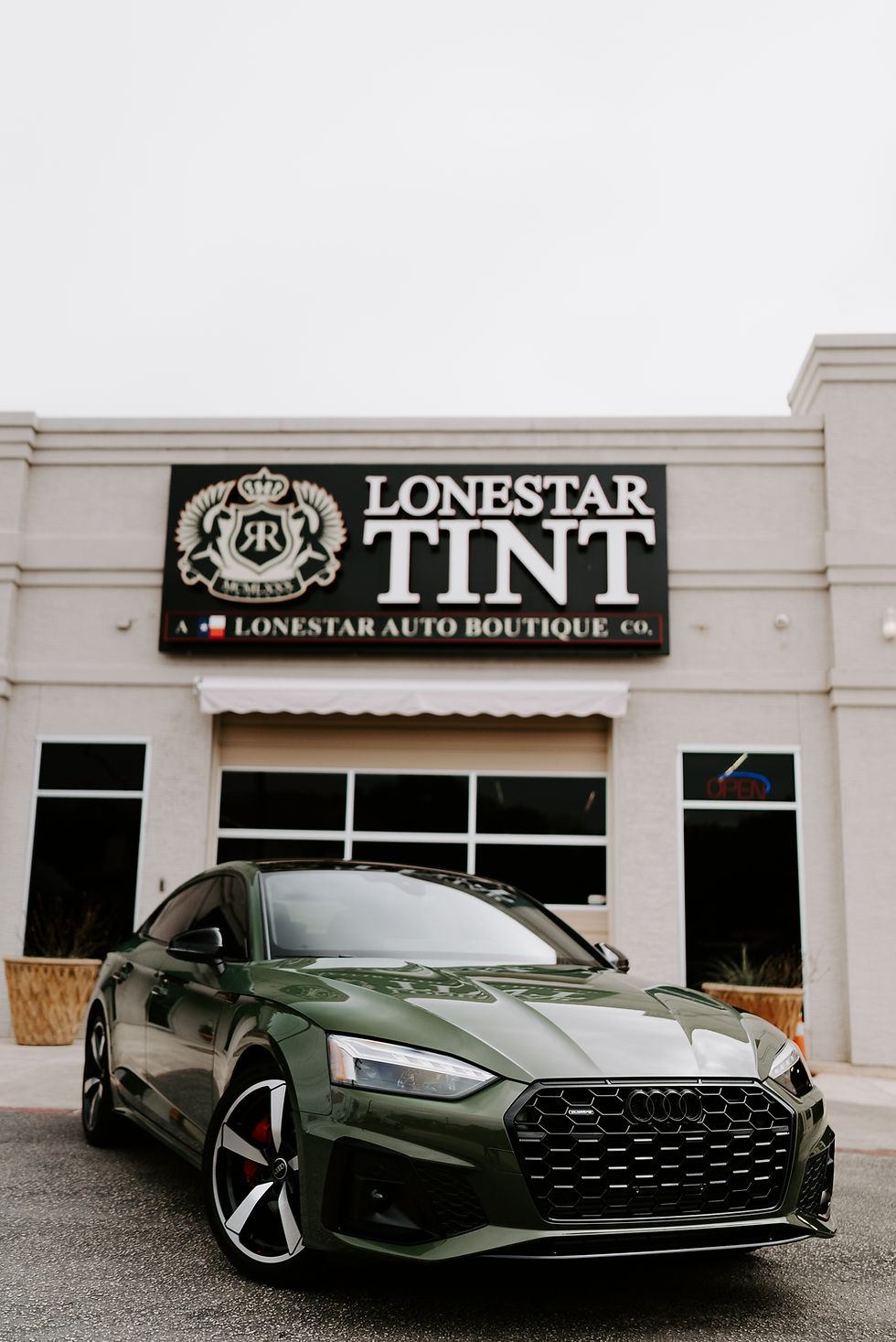
For drivers who want everyday comfort and an extra layer of sun protection, Lonestar Tint & Auto Boutique can help explain film options, shade levels, and the best fit for the vehicle.
Protect your skin on the road the same way you do everywhere else: with simple habits that add up. Stay cool. Stay protected. Enjoy the drive.