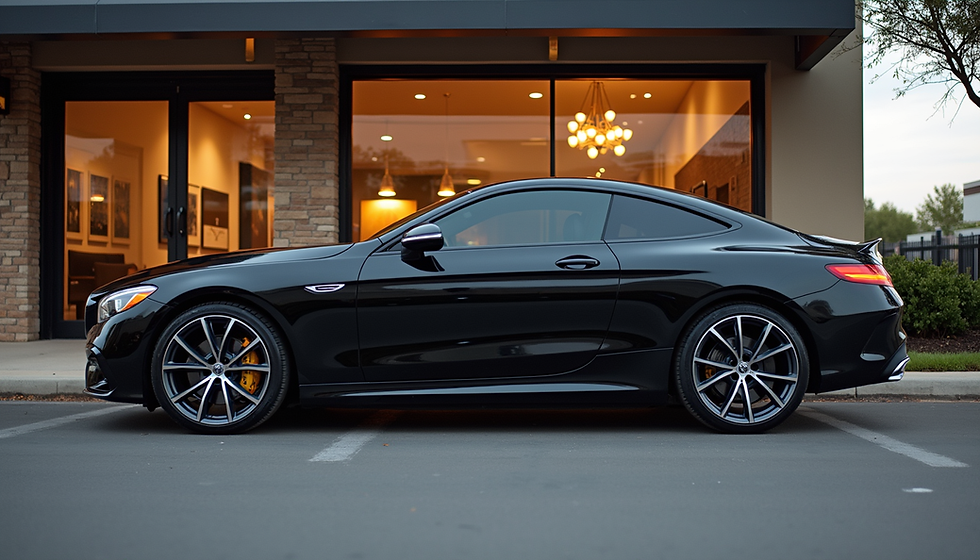
Maximizing Comfort: How Heat-Resistant Ceramic Technology Filters Infrared Rays for a Cooler Drive
Driving on a hot day can quickly turn uncomfortable, especially when sunlight pours through your car windows. The intense heat not only makes the cabin stifling but also forces your air conditioning system to work harder, increasing fuel consumption. Fortunately, advances in heat-resistant ceramic technology offer a smart solution by filtering higher levels of infrared rays, keeping your vehicle cooler and your drive more comfortable.
This post explores how ceramic technology works to block infrared rays, the benefits it brings to drivers, and practical examples of its use in automotive applications. Understanding this technology can help you make informed choices about your vehicle’s comfort and energy efficiency.
Understanding Infrared Rays and Their Impact on Vehicle Heat
Sunlight contains different types of rays, including visible light, ultraviolet (UV) rays, and infrared (IR) rays. While UV rays are known for causing skin damage, infrared rays are the main culprits behind heat buildup inside vehicles.
Infrared rays carry heat energy that penetrates through glass windows, warming the interior surfaces of your car. This heat accumulates quickly, especially during sunny days, raising the cabin temperature significantly above the outside air temperature. This phenomenon is often called the “greenhouse effect” in vehicles.
Traditional window glass blocks some UV rays but allows most infrared rays to pass through. This means that even with tinted windows, a car can still become uncomfortably hot. That’s where heat-resistant ceramic technology comes in.
What Is Heat-Resistant Ceramic Technology?
Heat-resistant ceramic technology involves applying a thin ceramic coating or embedding ceramic particles into window films or glass. These ceramics have unique properties that allow them to selectively filter out infrared rays while maintaining high visibility and clarity.
Unlike metallic films that reflect heat but can interfere with radio signals and cause glare, ceramic coatings are non-metallic and do not disrupt electronics. They work by absorbing and scattering infrared rays, preventing most of the heat energy from entering the vehicle.
This technology is durable, resistant to fading, and can withstand high temperatures without degrading. It also blocks a significant portion of UV rays, protecting the car’s interior materials from sun damage.
How Ceramic Technology Filters Infrared Rays
Ceramic particles embedded in the window film or coating act as tiny heat barriers. When infrared rays hit the glass surface, these particles absorb and scatter the rays, reducing the amount of heat that passes through.
The process works in several ways:
Absorption: Ceramic materials absorb infrared radiation, converting it into a small amount of heat that dissipates harmlessly.
Scattering: The particles scatter infrared rays in different directions, reducing the intensity of heat that reaches the interior.
Reflection: Some ceramic coatings also reflect a portion of infrared rays back outside.
This combination results in a cooler cabin temperature without compromising the driver’s view or the vehicle’s aesthetics.
Close-up view of a car window treated with heat-resistant ceramic coating reflecting sunlight to reduce infrared heat
Benefits of Using Heat-Resistant Ceramic Technology in Vehicles
Using ceramic technology to filter infrared rays offers several practical benefits for drivers and passengers:
1. Cooler Cabin Temperature
By blocking a large portion of infrared heat, ceramic coatings help maintain a lower temperature inside the vehicle. This reduces discomfort during hot weather and makes the car more pleasant to enter after being parked in the sun.
2. Reduced Air Conditioning Load
With less heat entering the cabin, the air conditioning system does not need to work as hard to cool the interior. This can lead to better fuel efficiency and lower emissions, as well as less wear on the AC components.
3. Protection of Interior Materials
Heat and UV rays cause fading, cracking, and deterioration of car seats, dashboards, and other interior surfaces. Ceramic coatings block UV rays and reduce heat exposure, extending the life and appearance of your vehicle’s interior.
4. Enhanced Visibility and Safety
Ceramic films maintain high optical clarity without the reflective glare common in metallic films. This improves driver visibility and safety, especially during night driving or in bright sunlight.
5. No Interference with Electronics
Because ceramic coatings are non-metallic, they do not interfere with GPS, radio, or mobile phone signals, unlike some metallic window tints.
Real-World Examples of Ceramic Technology in Automotive Use
Many car manufacturers and aftermarket companies have adopted heat-resistant ceramic technology for window films and glass treatments. Here are some examples:
Luxury Vehicles: Brands like Tesla and Mercedes-Benz offer ceramic-tinted windows as part of their premium packages, emphasizing comfort and energy efficiency.
Aftermarket Window Films: Companies such as 3M and Llumar produce ceramic window films that can be professionally installed on existing vehicles to improve heat rejection.
Commercial Fleets: Delivery and service vehicles use ceramic coatings to protect drivers who spend long hours on the road, reducing fatigue caused by heat.
In one study, vehicles fitted with ceramic window films showed interior temperature reductions of up to 30 degrees Fahrenheit compared to untreated windows under direct sunlight. This significant difference highlights the effectiveness of ceramic technology in real driving conditions.
How to Choose and Maintain Ceramic Window Films
If you decide to upgrade your vehicle with heat-resistant ceramic window films, consider these tips:
Professional Installation: Proper application ensures maximum heat rejection and durability. Look for certified installers with experience in ceramic films.
Check Legal Regulations: Some regions have restrictions on window tint darkness and reflectivity. Ensure your chosen film complies with local laws.
Maintenance: Clean ceramic-coated windows with non-abrasive cleaners and soft cloths to preserve the coating’s effectiveness.
Warranty: Choose products with manufacturer warranties to protect your investment.
Final Thoughts on Heat-Resistant Ceramic Technology for a Cooler Drive
Heat-resistant ceramic technology offers a practical way to filter higher levels of infrared rays, making your driving experience cooler and more comfortable. By reducing heat buildup, protecting your car’s interior, and improving energy efficiency, ceramic coatings provide clear advantages over traditional window films.
If you often drive in sunny or hot climates, investing in ceramic window films or coatings can enhance your comfort and reduce the strain on your vehicle’s cooling system. Explore available options and consult professionals to find the best solution for your needs.