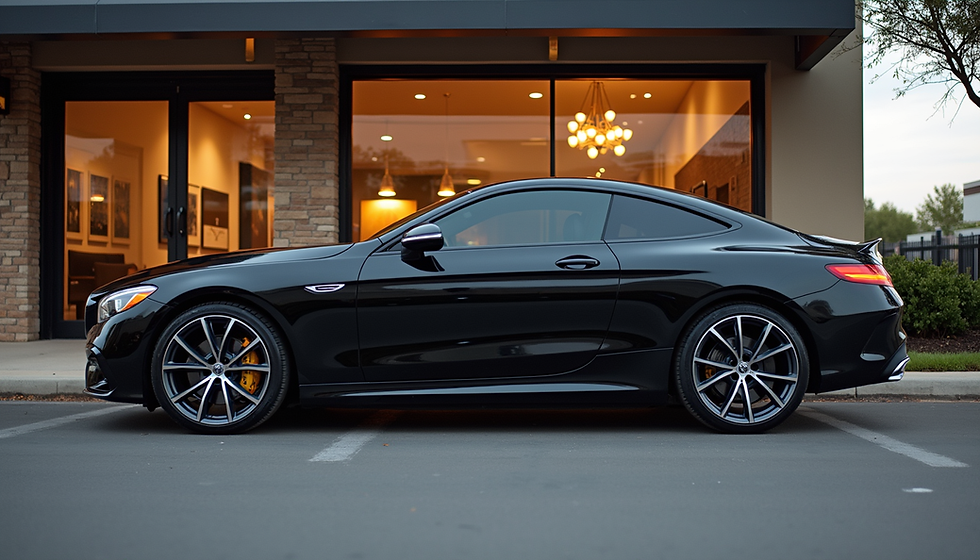
Beat the Summer Heat with Professional Car Window Tinting
Summer brings long, sunny days and warm weather that many enjoy. But for drivers, the intense heat and bright sunlight can turn a pleasant drive into an uncomfortable experience. The sun’s rays not only raise the temperature inside your car but also cause glare that can affect your visibility and safety. One effective way to tackle these problems is by getting your car windows professionally tinted. This post explores how car window tinting helps beat the summer heat, improves comfort, and protects your vehicle.

How Summer Heat Affects Your Car and Driving Experience
When the sun beats down on your car, the interior temperature can rise quickly, sometimes reaching levels that feel unbearable. This happens because sunlight passes through the glass and heats up the surfaces inside, such as the seats, dashboard, and steering wheel. The trapped heat raises the cabin temperature, making it uncomfortable for passengers and forcing the air conditioning system to work harder.
Excessive heat inside the car can cause:
Discomfort and fatigue for drivers and passengers
Increased fuel consumption due to higher air conditioning use
Damage to interior materials like fading upholstery and cracked dashboards
Reduced safety from glare and impaired visibility
These issues highlight the need for a solution that reduces heat buildup and glare while protecting the car’s interior.
What Is Car Window Tinting?
Car window tinting involves applying a thin film to the glass surfaces of your vehicle. This film is designed to block a significant portion of the sun’s ultraviolet (UV) rays and reduce heat transmission. The tint can vary in darkness and type, depending on your preferences and local regulations.
Professional tinting services use high-quality films that offer benefits beyond just darkening the windows. These films can:
Reflect infrared rays that cause heat
Block up to 99% of harmful UV rays
Reduce glare from sunlight and headlights
Enhance privacy and security by making it harder to see inside the car
Benefits of Professional Car Window Tinting in Summer
1. Lower Interior Temperature
Tinted windows can reduce the heat inside your car by up to 60%. This means the cabin stays cooler even on the hottest days. By blocking infrared rays, the tint prevents much of the sun’s heat from entering the vehicle. This keeps the air conditioning from working overtime and helps save fuel.
2. Protection from UV Rays
UV rays cause skin damage and increase the risk of skin cancer. They also fade and crack your car’s interior materials over time. Window tinting blocks most UV radiation, protecting both your skin and your car’s upholstery.
3. Reduced Glare for Safer Driving
Glare from the sun can be blinding and dangerous while driving. Tinted windows cut down on glare, improving visibility and reducing eye strain. This makes driving safer, especially during sunrise and sunset when the sun is low on the horizon.
4. Enhanced Privacy and Security
Tinted windows make it harder for outsiders to see inside your car. This added privacy can deter theft and protect valuables left inside. It also gives passengers a sense of security and comfort.
5. Improved Aesthetics and Resale Value
A professionally tinted car looks sleek and stylish. Many buyers appreciate the added comfort and protection that tinting offers, which can increase your vehicle’s resale value.
Choosing the Right Tint for Your Car
Not all window tints are the same. When selecting a tint, consider:
Legal limits: Different states and countries have rules about how dark your tint can be. Make sure to check local laws to avoid fines.
Type of film: Options include dyed, metalized, carbon, and ceramic films. Ceramic tints offer the best heat rejection without interfering with electronics.
Percentage of tint: This refers to how much light the tint allows through. A lower percentage means darker tint and more heat reduction.
Professional installation: Proper installation ensures the tint lasts longer and looks better. Avoid DIY kits for the best results.
How to Maintain Tinted Windows
To keep your tint looking good and working well:
Avoid rolling down windows for a few days after installation to let the film cure.
Clean windows gently with a soft cloth and mild soap. Avoid ammonia-based cleaners.
Inspect the tint regularly for bubbles or peeling and address issues promptly.
Real-Life Example: How Tinting Transformed a Summer Drive
A driver in Phoenix, Arizona, shared how professional window tinting changed their summer experience. Before tinting, their car’s interior temperature often exceeded 120°F on hot days, making it uncomfortable to drive. After installing ceramic tint, the temperature dropped by nearly 40°F, and the glare was significantly reduced. The driver noticed less fatigue and saved money on fuel because the air conditioning ran less frequently.