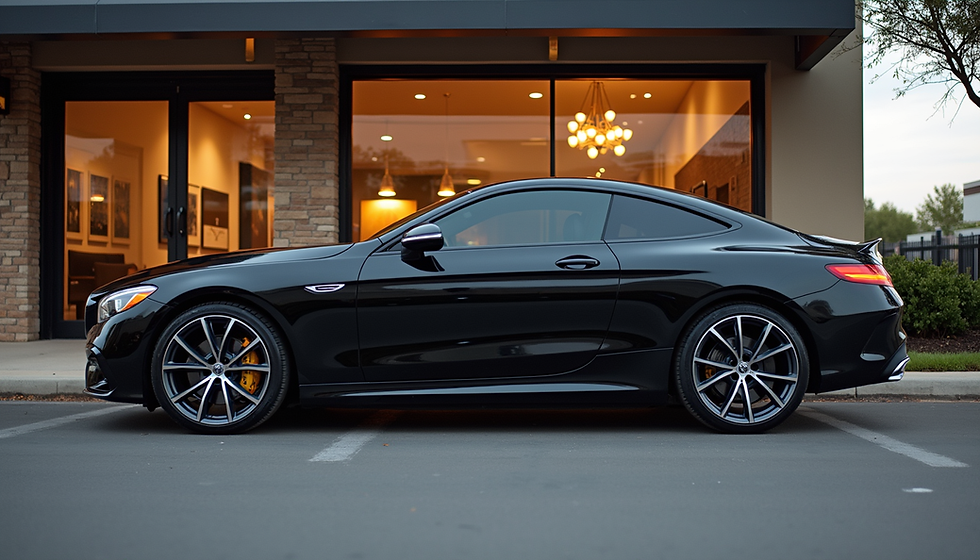
The Benefits of Using PPF for Car Protection and Maintenance
Every car owner wants to keep their vehicle looking new and pristine for as long as possible. The challenge is that daily driving exposes cars to various hazards—road debris, weather conditions, and minor scratches—that can quickly damage the paint and reduce the vehicle’s value. Paint Protection Film (PPF) offers a practical solution to these problems, providing a durable shield that preserves your car’s appearance and makes maintenance easier.
PPF has grown in popularity among car enthusiasts and everyday drivers alike. This blog post explores the key benefits of using PPF, how it works, and why it’s a smart investment for anyone who cares about their car’s condition.

Close-up of a car hood with paint protection film applied, showing a smooth and glossy surface
What is Paint Protection Film?
Paint Protection Film is a transparent, durable layer made from thermoplastic urethane. It is applied directly to the painted surfaces of a car to protect against scratches, chips, stains, and fading caused by UV rays. Originally developed for military use, PPF has evolved into a popular automotive accessory due to its effectiveness and nearly invisible appearance.
The film is flexible enough to cover complex curves and edges, making it suitable for bumpers, hoods, fenders, mirrors, and even door edges. Once installed, it acts as a sacrificial barrier, absorbing damage that would otherwise affect the paint underneath.
How PPF Protects Your Car
PPF offers several layers of protection that work together to maintain your car’s finish:
Scratch and Chip Resistance
Small stones, gravel, and road debris can cause chips and scratches. PPF absorbs these impacts, preventing paint damage.
UV Protection
Prolonged exposure to sunlight causes paint to fade and oxidize. PPF contains UV inhibitors that block harmful rays, preserving the original color.
Chemical Resistance
Bird droppings, tree sap, and road salts are acidic and can stain or corrode paint. The film creates a barrier that resists these substances.
Self-Healing Properties
Many modern PPFs have self-healing technology. Minor scratches disappear when exposed to heat from the sun or warm water, keeping the surface smooth.
Benefits of Using PPF for Car Maintenance
1. Keeps Your Car Looking New Longer
The most obvious benefit is that PPF maintains the car’s showroom shine. By preventing chips and scratches, the paint stays intact and glossy. This is especially valuable for high-end cars or vehicles with custom paint jobs where repairs can be costly.
2. Saves Money on Repairs and Repainting
Paint repairs can be expensive and time-consuming. PPF reduces the need for touch-ups or repainting by protecting the original paint. Over time, this can save hundreds or even thousands of dollars.
3. Makes Cleaning Easier
The smooth surface of PPF repels dirt and grime better than bare paint. This means washing your car takes less effort, and contaminants are less likely to stick. The film also resists staining, so bird droppings or bug splatters can be wiped off quickly without damage.
4. Enhances Resale Value
A well-maintained exterior increases a car’s resale value. Buyers notice when paint is flawless and free of chips or scratches. PPF helps preserve the car’s condition, making it more attractive to potential buyers.
5. Customizable Coverage
You don’t have to cover the entire car. PPF can be applied to high-impact areas like the front bumper, hood, side mirrors, and door edges. This targeted protection balances cost and effectiveness.
Installation and Maintenance Tips
Proper installation is crucial for PPF to perform well. It’s best to have a professional apply the film to ensure it fits perfectly and adheres without bubbles or wrinkles. The process involves cleaning the surface thoroughly, applying the film with a special solution, and trimming excess material.
Maintenance is simple:
Wash the car regularly with mild soap and water
Avoid abrasive cleaners or brushes
Use a microfiber cloth to dry and polish
Avoid waxing the PPF surface, or use waxes compatible with PPF
With proper care, PPF can last 5 to 10 years before needing replacement.
Real-Life Examples of PPF Benefits
Consider a driver who frequently travels on gravel roads. Without protection, the front bumper and hood would quickly show chips and scratches. After installing PPF, the driver noticed the car’s paint remained flawless despite the rough conditions. Another example is a luxury car owner who wanted to preserve the vehicle’s resale value. PPF helped maintain the paint’s gloss and prevented fading from sun exposure, making the car look nearly new years later.
PPF offers a clear advantage for anyone looking to protect their car’s paint and reduce maintenance efforts. It acts as a strong shield against everyday hazards, keeps the vehicle looking fresh, and can save money on repairs. Whether you drive a new car or want to preserve a classic, investing in paint protection film is a practical step toward long-term care.